Our Great Karoo Dinosaur Fossil Expedition follows a carefully designed route through South Africa’s extraordinary fossil landscapes. While the journey is shaped by practical travel logistics, each destination reveals another chapter in the history of life, gradually building a deeper understanding of Earth’s remarkable past.
DAY 1: The University Of The Witwatersrand Evolutionary Studies Institute (WITS ESI)
Setting the Scene – From Fossil Vault to Field Expedition
Learn the story. See the fossils. Meet the scientists. Understand what makes a fossil significant and how research is conducted.
Day 1 marks your arrival in Johannesburg and the beginning of your Great Karoo Dinosaur Fossil Expedition with a remarkable introduction to South Africa’s palaeontological heritage. Your first visit is to the iconic Wits Evolutionary Studies Institute at Wits University, where you’ll explore the Deep Time Collections and meet Professor Jonah Choiniere, one of the world’s leading authorities on early dinosaur evolution.
During an exclusive behind-the-scenes presentation, Prof Choiniere draws on decades of fieldwork and research across South Africa’s fossil landscapes to explore the early evolution of dinosaurs and the scientific journey that transforms a fossil discovery into knowledge. Guests will gain insight into how fossils are discovered, excavated, prepared, documented and ultimately interpreted by scientists.
Your second visit is hosted by Dr Bernhard Zipfel, Senior Curator of Fossil Collections, who provides rare access to the renowned Wits Fossil Vault. Responsible for the care, documentation and scientific management of one of Africa’s most important fossil collections, Dr Zipfel offers a fascinating perspective on the preservation and study of original fossil material. The Fossil Vault also houses important hominin collections, providing an opportunity to view original specimens rarely accessible to the public and to gain insight into the breadth of palaeontological and palaeoanthropological research undertaken at Wits.
From the collections of Wits to the fossil landscapes of the Karoo, your expedition now moves from the laboratory into the field.
DAYS 2 – 5: Evolution, Extinction & Recovery
Bethulie & Oviston With Prof Julien Benoit
Day 2 begins with an early morning flight from Johannesburg to Bloemfontein, followed by a scenic journey into the heart of the Great Karoo and the fossil-rich landscapes of Bethulie and Oviston. Often described as a gigantic natural laboratory, the Great Karoo contains an extraordinary record of ancient life preserved within its rocks. Over the next few days, you’ll explore selected fossil localities with your host, Professor Julien Benoit, Senior Researcher at the University of the Witwatersrand.
Prof Benoit’s research in Bethulie and Oviston focuses on the remarkable rocks that preserve evidence of the aftermath of the end-Permian mass extinction – the most severe known mass extinction in Earth’s history, approximately 252 million years ago.
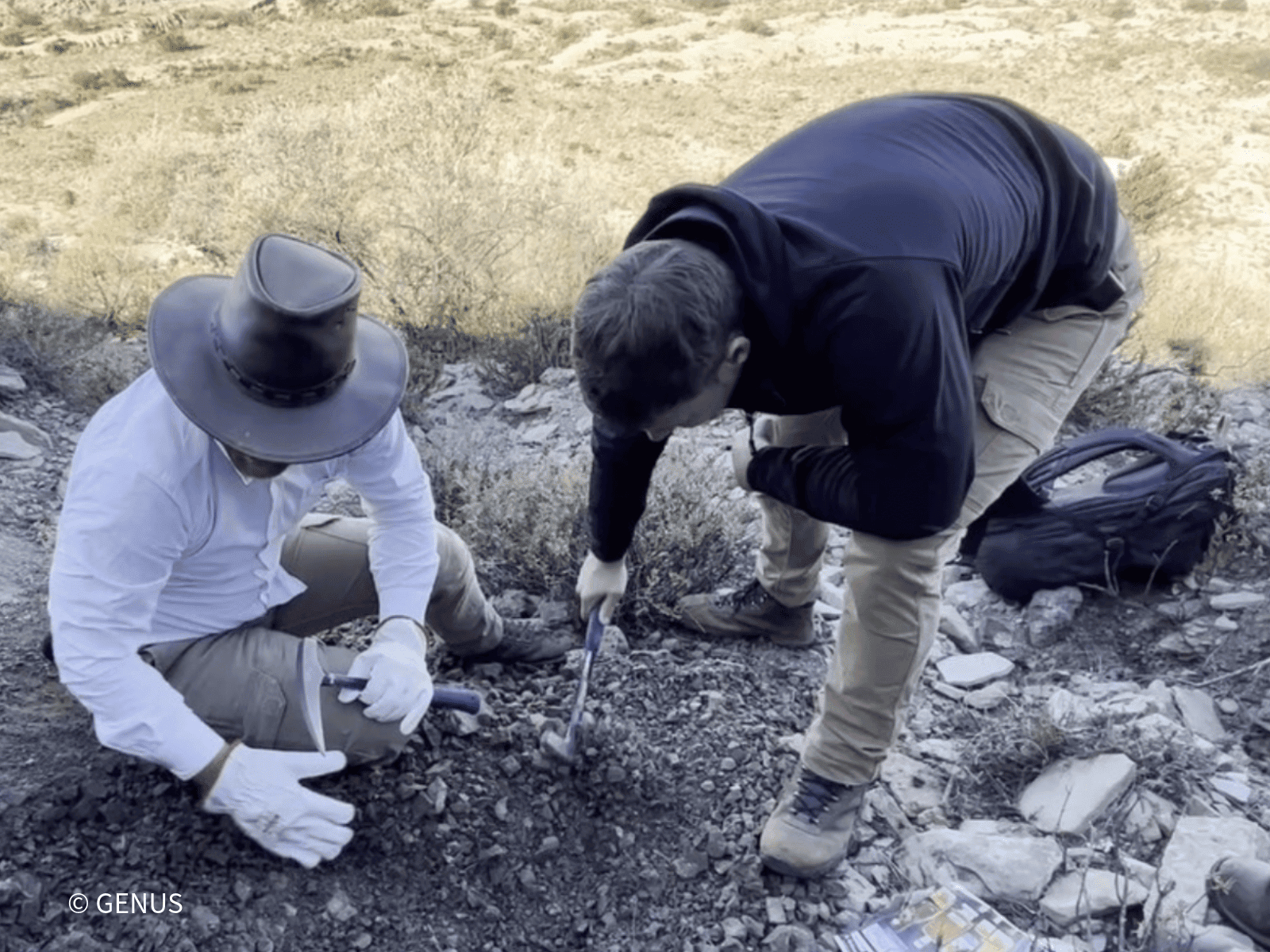
Working alongside Prof Benoit, you’ll have the opportunity to participate in genuine palaeontological fieldwork, searching for fossils and examining the evidence preserved within this remarkable landscape. Particular attention is given to therapsids and the dramatic transition from the Permian into the Triassic, exploring how ecosystems were disrupted, how life survived and how new communities emerged during the recovery that followed.
Beyond the Science – Karoo Heritage Highlights:
When not exploring the fossil localities, discover the rich cultural and historical heritage of the southern Karoo through a selection of fascinating local sites, including:
- The Bethulie Anglo-Boer War Concentration Camp Memorial, commemorating an important chapter in South African history.
- The Pellissier House Museum, offering insight into the lives of early settlers and the history of Bethulie.
- The Hennie Steyn Bridge, one of South Africa’s longest road bridges, spanning the Gariep Dam.
- The historic Mission Building, reflecting Bethulie’s nineteenth-century missionary heritage and the origins of the town.
DAYS 6 – 8: The Mammalian Lineage
Nieu-Bethesda & Graaff-Reinet with Prof Bruce Rubidge
Days 6 to 8 take you deeper into the Great Karoo, based in historic Graaff-Reinet and exploring the fossil-rich landscapes surrounding Nieu-Bethesda under the guidance of Professor Bruce Rubidge. These remarkable localities lie within the Beaufort Group of the Karoo Supergroup and are internationally renowned for their exceptional record of therapsids – an extraordinary group of animals that played a pivotal role in the evolution of the mammalian lineage. Often described as “mammal-like reptiles”, therapsids dominated many Permian and Triassic ecosystems, and the Karoo preserves one of the world’s most complete records of their diversification and evolutionary history.
Over two days of guided field exploration, you’ll visit selected fossil localities alongside Prof Rubidge, gaining insight into the geology, fossil record and evolutionary history preserved within these ancient rocks. Few experiences offer the opportunity to explore the Karoo alongside a scientist whose research has helped establish its international palaeontological significance. Prof Rubidge has spent much of his career working within these landscapes, and his first-hand knowledge provides an exceptional perspective on both the fossils and the geological history that surrounds them.
Beyond The Science – Expedition Highlights:
- Orientation to the Great Karoo with Prof Bruce Rubidge: An introduction to the geology, fossil record and evolutionary history of one of the world’s most important palaeontological regions.
- Exclusive private tour of Prof Bruce Rubidge’s fossil collection: A rare opportunity to explore an exceptional personal collection with one of the scientists whose research has shaped our understanding of the Karoo.
- James Kitching Fossil Exploration Centre, Nieu-Bethesda: Discover the history of Karoo fossil exploration and the remarkable contribution of South African palaeontologists to our understanding of the region.
- Doornplaats Farm, Gats River & the Lootsberg Permian-Triassic boundary: Guided excursions to significant fossil localities where the rocks preserve further evidence of the changing ecosystems and evolutionary history of the Karoo.
- Valley of Desolation, Camdeboo National Park: Although not a fossil locality, this spectacular landscape provides a superb perspective on the geology and immense scale of the Great Karoo. The day concludes with a picnic dinner and sundowners overlooking the dramatic landscape.
DAYS 9 & 10: Safari Break
Amakhala Game Reserve – Greater Addo
After several days immersed in the fossil fields of the Great Karoo, Days 9 and 10 offer a welcome change of pace as you leave the geological landscapes behind and experience Africa in classic safari style. Your two-night stay is at the five-star Bukela Game Lodge, set within the Amakhala Game Reserve in the Greater Addo region.
Beyond The Science – The Safari Experience:
- Enjoy morning and afternoon game drives through the reserve’s Big Five landscapes, accompanied by experienced field guides who share their knowledge of the region’s wildlife, ecology and conservation.
- Between drives, relax in the comfort of your luxury safari accommodation, enjoy beautifully prepared cuisine and take time to absorb the extraordinary diversity of the living landscape around you.
And, in keeping with the spirit of the expedition, there’s a little more to discover beneath the surface. One of your game drives includes a visit to a little-known dinosaur fossil locality within the reserve – an unexpected reminder that the landscapes of the Eastern Cape preserve stories from both the ancient and the living world.
DAYS 11 & 12: Early Vertebrates & the Devonian
Waterloo Farm & Bathurst, Grahamstown, with Dr Rob Gess
Where Early Vertebrates Took Their First Steps Towards Life on Land
Day 11 begins with an early morning journey from Amakhala to Waterloo Farm near Grahamstown, where the expedition travels more than 100 million years further back in time. Over the next two days, you’ll explore Waterloo Farm alongside palaeontologist Dr Rob Gess, one of South Africa’s leading researchers on Late Devonian ecosystems.
Waterloo Farm is internationally recognised as the world’s only known high-latitude, polar Late Devonian vertebrate fossil site. Around 360 million years ago, this remarkable ecosystem existed close to the South Pole, preserving an extraordinary record of life during a pivotal period in vertebrate history. Among its remarkable discoveries are early four-legged vertebrates, providing important evidence for the evolutionary transition from aquatic environments towards life on land. The exceptionally preserved fossils also reveal an ancient polar ecosystem of fish, early tetrapods and other organisms that lived in this very different world.
Working alongside Dr Gess, guests will gain first-hand insight into fossil excavation, field research and the scientific methods used to interpret these extraordinary remains. Through the fossils and the landscape itself, you’ll explore early vertebrate evolution and the remarkable story of life in a polar environment during the Devonian.
This final scientific chapter provides a dramatic contrast to the younger fossil landscapes explored earlier in the expedition – taking you beyond the age of dinosaurs and deep into one of the earliest chapters in the evolution of vertebrate life on land.
Beyond The Science – Discovering Bathurst:
Whilst Waterloo Farm is the scientific focus of your visit, the neighbouring village of Bathurst offers its own distinctive charm. A historic Eastern Cape settlement, Bathurst invites you to slow the pace and enjoy some of the region’s character and heritage.
- Discover historic buildings.
- Browse local galleries and craft studios.
- Visit South Africa’s oldest licensed pub.
- Admire the world’s largest pineapple.
DAY 13: Tour Africa or Head Home
Every great expedition reaches its final chapter, but the story of discovery never truly ends. We hope that seeing the fossils, understanding their context and engaging with the science has given you a new appreciation of South Africa’s extraordinary deep-time heritage and the remarkable story of Life on Earth.
Day 13 offers a relaxed conclusion to your journey, beginning with a farm-to-table lunch at Grass Roof Farm Stall Restaurant, followed by a leisurely walk along the unspoilt shores of Sardinia Bay before your return flight to Johannesburg.
Over the past thirteen days you have explored just a small part of South Africa’s extraordinary natural and prehistoric heritage. Yet there is so much more to discover. Perhaps your next adventure will be tracking the Big Five in the Kruger, exploring the mountains and coastlines of the Cape, or witnessing the Great Migration across the Serengeti and Maasai Mara, higher up on the African Continent.
PRE OR POST TRAVEL EXTENSIONS: Your expedition may have reached its conclusion, but your African journey doesn’t have to end here. Safari Odyssey can thoughtfully curate a seamless extension, whether that means tracking the Big Five in Kruger National Park, discovering the mountains, vineyards and coastlines of Cape Town, witnessing the spectacular Great Migration across the Serengeti and Maasai Mara, trekking with endangered mountain gorillas in Rwanda or Uganda, or unwinding on the pristine beaches of Zanzibar. . . Wherever your curiosity leads next, we’ll create a journey that is every bit as memorable as the one you’ve just experienced.